
How Small Businesses Digital Marketing Strategy Can Compete Using Smart Digital Marketing
Learn how small businesses can compete with big brands using smart digital marketing strategies such as local SEO, personalized content, niche targeting, influencer marketing, and cost-efficient advertising. Small Businesses Digital Marketing Strategy"
Brand Boost
12/3/20254 min read


How Small Businesses Can Compete with Big Brands Using Smart Digital Marketing
The idea that only big brands with massive budgets can dominate the market is outdated. In 2025, smart digital marketing levels the playing field, allowing small businesses to compete—and even outperform—large corporations in visibility, engagement, targeting, and customer loyalty. Watch on YouTube.
Big brands have size—but small businesses have authenticity, agility, personality, and customer connection, which are GOLD in today’s consumer market.
In this blog, you’ll learn actionable ways small businesses can leverage smart digital marketing strategies to compete and thrive.
Why Small Businesses Have an Advantage Over Big Brands
While big brands have impressive budgets, they also face limitations such as
Slow decision-making
Corporate bureaucracy
Generic messaging
Less personalization
Lower emotional connection with customers
Meanwhile, small businesses can offer:
Personal interaction
Authenticity
Faster adaptation
Local community presence
Human-driven service
Customers today prefer brands they can relate to—and digital marketing allows small businesses to express their uniqueness.
Key Smart Digital Marketing Strategies for Small Businesses
1. Leverage Local SEO to Dominate Locally
Big brands compete globally—but small businesses can win locally.
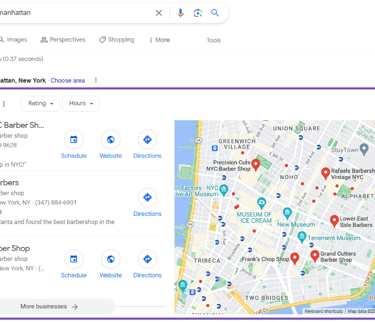
Local SEO includes optimizing for searches like
“best bakery near me”
“plumber in Mumbai”
“boutique clothing store Bengaluru”
Action steps:
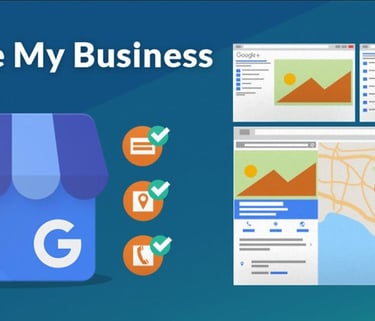
Create & optimize a Google Business Profile
Use local keywords in blogs and website content
Add location pages if you serve multiple areas
Encourage customer Google reviews
Add local schema markup
When someone nearby searches for your service, you want to appear FIRST.
2. Use Personalized Marketing (Small Business Superpower)
A big brand sends this:
“Hi customer, check out our new products!”
But a small business can send:
“Hey Priya, we noticed you liked blue handbags—here are new arrivals you’ll love!”
Consumers want to feel SEEN.
Personalization can be applied through:
Personalized email campaigns
Retargeting ads
Loyalty programs
Name-based messaging
User-specific product suggestions
Behavior-driven automated messages
People don’t form relationships with corporations—they form relationships with PEOPLE.
3. Build a Strong Brand Story and Personality
Customers don’t just buy products—they buy meaning.
Tell stories about:
Why you started the business
Your mission
Your passion
Local community involvement
Handmade/ethical/sustainable processes
Real pictures of your team & workspace
This creates emotional connections that big brands struggle to replicate.
4. Focus on Niche Targeting Instead of Mass Marketing
Big brands target EVERYBODY.
But small businesses succeed by targeting:
A specific audience
A specific need
A specific personality type
A specific style
A specific lifestyle
Example niches:
Vegan skincare lovers
Eco-friendly consumers
Pet parents
Handmade fashion buyers
Homeschool parents
Fitness-focused working professionals
A focused niche = stronger loyalty + higher conversion rates.
5. Win on Social Media with Authentic, Relatable Content
Instead of polished corporate ads…
Show:
Behind-the-scenes processes
Product creation
Team members
Daily operations
Customer testimonials
Real stories
People crave authenticity—not corporate polish.
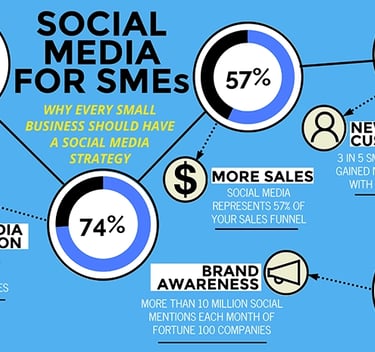
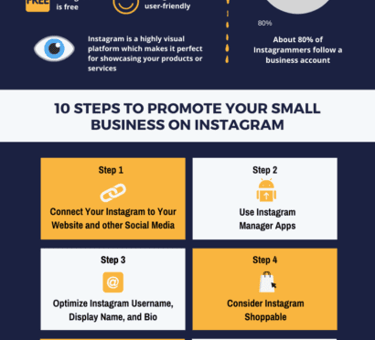
Platforms like Instagram, TikTok, and Facebook allow small businesses to build direct relationships with their audience for FREE.
6. Create High-Value Content Marketing
Blogging, video content, tutorials, and educational posts build authority.
Examples:
A bakery posting cake recipes
A fitness trainer sharing workout tips
A bridal store discussing wedding style trends
A finance advisor offering budgeting tools
This content improves SEO, builds trust, and positions your business as an expert.
You can also interlink this blog with your other content—for example:
Your blog on High-Converting Landing Pages
Your blog on Digital Marketing Trends 2025
Your blog on Data-Driven Marketing Strategy
7. Partner with Micro-Influencers Instead of Celebrities
Big brands hire celebrities.
Small businesses should use:
Local influencers
Niche experts
Micro-creators
Community personalities
Micro-influencers have:
Higher engagement
Greater audience trust
Real community-level reach
This is a tactic proven to deliver results.
For supporting reference, you may link to an authoritative source like
“As HubSpot research shows, micro-influencers have significantly higher engagement rates compared to celebrity influencers.”
8. Offer Exceptional Customer Service (Your Biggest Differentiator)
Unlike big companies with call centers & bots…
Small businesses can:
Respond personally
Build actual relationships
Follow up manually
Offer kindness & gratitude
Thank customers individually
Respond immediately
Word-of-mouth marketing is priceless.
9. Use Cost-Effective Ads with Hyper Targeting
Small businesses don’t need huge ad budgets.
Use:
Facebook ads
Instagram ads
Google ads
Local search ads
Be specific with targeting:
Location
Age
Interests
Behaviors
Hashtags
Keyword intent
Even ₹500–₹2000 invested smartly can produce measurable leads.
10. Analyze Customer Data & Adapt Quickly
Data-driven marketing helps small businesses outperform big brands.
Track:
Click-through rates
Customer demographics
Session time
Repeat customer frequency
Abandoned carts
Most-viewed products
Content performance
Small businesses can pivot FAST…
Big brands move like cruise ships.
Small businesses move like jet skis.
Link to reputable marketing resources like
HubSpot
Google Analytics documentation
Statista
Search Engine Journal
Neil Patel
Moz
These enhance credibility.
Conclusion
Small businesses CAN compete with big brands—and even outperform them—with the right digital marketing strategy.
By leveraging personalization, local SEO, niche targeting, social media storytelling, customer service, and smart advertising, smaller players can build deeper relationships, stronger loyalty, and meaningful audience connections.
Smart marketing—NOT big budgets—is what wins in the digital age.






Address
11, 18th Main Road,
BTM Stage - 1,
Narayangowda Layout,
Taverekere, Bangalore,
KA - 560029
Important Links
Leave Details


All Rights Reservered.