
Why Your Business Needs a Data-Driven Marketing Strategy in 2025
Discover why your business needs a data-driven marketing strategy in 2025 to improve ROI, customer targeting, personalization, and conversion rates. Learn how data-backed insights fuel marketing success.
Brand Boost
12/3/20254 min read


Why Your Business Needs a Data-Driven Marketing Strategy in 2025
In today’s hyper-competitive digital market, relying on assumptions or outdated marketing techniques is a direct path to wasted ad spend and poorly targeted campaigns. A data-driven marketing strategy empowers businesses to make decisions based on actual consumer behavior, real-time analytics, performance trends, and measurable insights.
This approach shifts marketing away from guesswork and toward scientifically backed decision-making. In 2025 and beyond, businesses that leverage data will not only reduce costs but also dramatically improve targeting, engagement, and conversions.
What Is a Data-Driven Marketing Strategy?
At its core, a data-driven marketing strategy uses data to understand audiences, optimize campaigns, forecast performance, and create personalized customer experiences. Rather than assuming what customers want, marketers use actual analytics to determine:
Who their target audience really is
When users are most active
What type of content converts
Which marketing channels drive the highest ROI
How customers behave before purchasing
Data sources often include:
Website analytics
CRM data
Sales records
Social media engagement
Email marketing metrics
PPC performance
Customer experience touchpoints
AI-driven consumer behavior models
This transformation allows businesses to move from broad messaging to precise, segmented communication that resonates.
Why Data-Driven Marketing Matters for Business Growth
Data isn’t just a marketing asset—it’s a competitive advantage. The businesses that use data insights outperform those that don’t. Here’s how:
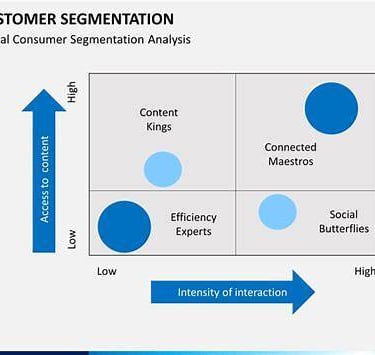
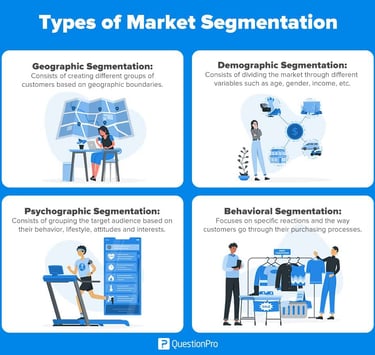
1. Better Targeting and Customer Segmentation
With a data-driven marketing strategy, you can identify your best-performing customer segments—and market to them more effectively.
For instance:
Instead of advertising to “people aged 18–45,”
→ you might discover your best-converting segment is “males 24–30 who search for productivity software.”
This prevents wasted targeting and drives much stronger ROI.
2. Higher Conversion Rates
Data reveals the exact content, messaging, tone, and CTA that persuade customers to buy.
Examples:
You may discover that headlines with a question convert better than statements
You may find that customers convert more at 7-9 PM
You may observe that mobile-first landing pages outperform desktop campaigns
Data enables optimization based on proof—not hunches.
3. Personalization That Improves Customer Experience
Customers today expect tailored experiences.
With data, businesses can deliver:
Personalized email content
Product recommendations
Individualized landing pages
Targeted remarketing ads
Personalized offers based on behavior or purchase history
Instead of a generic “Hey customer,” a personalized message like
“Hi John, looking for noise-cancellation earbuds under ₹5,000? ”
creates emotional resonance and increases conversion likelihood.
4. Reduced Marketing Waste and Cost Efficiency
Every rupee or dollar wasted on irrelevant marketing eats into profitability.
Data shows:
Which campaigns should be scaled
Which channels perform poorly
Which demographics don’t convert
Which ads underperform
This transparency allows you to allocate budget where it matters.
5. Real-Time Decision Making
Modern analytics tools allow businesses to adjust marketing efforts instantly. Instead of waiting weeks for results, marketers can:
Pause underperforming ads
Change content mid-campaign
Adjust bidding strategies
Shift focus to high-performing segments
This agility is impossible without data-driven insights.
6. Predictive Analytics for Future Planning
AI-powered predictive models can forecast:
What customers will buy next
Seasonal demand
Emerging trends
Campaign outcomes
Future lifetime customer value
This turns data from reactive insight into proactive strategy.
Practical Examples of Data-Driven Marketing in Action
Spotify Wrapped uses data to personalize end-of-year listening summaries
Amazon uses browsing and purchase history to recommend products
Netflix suggests shows based on prior viewing habits
Google Ads optimizes bids using historical CPC and quality score data
These companies dominate not because of branding alone but because of data precision.
Tools That Power a Data-Driven Marketing Strategy
Some powerful tools include
Google Analytics
HubSpot
SEMrush
Ahrefs
Mailchimp
Hotjar
Microsoft Clarity
Salesforce
Power BI / Tableau
Facebook Ads Manager
Google Looker Studio
Klaviyo
These tools help collect, visualize, and interpret data for actionable marketing decisions.
Implementing a Data-Driven Marketing Strategy: Step-by-Step
Step 1: Define Your Objectives
What do you want to achieve?
More leads?
More conversions?
Higher retention?
Lower CAC?
Step 2: Identify Key Data Sources
Data may come from:
Website analytics
Social media stats
Customer feedback
Advertising reports
Sales tracking
Step 3: Set KPIs
Examples:
CTR (Click-Through Rate)
Conversion rate
Customer lifetime value
Bounce rate
CPC (Cost Per Click)
ROAS (Return on Ad Spend)
Step 4: Analyze and Interpret Data
Data only matters if you understand it.
Find performance patterns and optimization opportunities.
Step 5: Apply Changes and Test
Run A/B tests for:
Headlines
CTA buttons
Landing page layouts
Email subject lines
Pricing displays
Step 6: Rinse and Repeat
Data-driven marketing is a continuous optimization process.
Common Mistakes Businesses Make With Data-Driven Marketing
Avoid these pitfalls:
Collecting data without analyzing it
Relying on vanity metrics (likes, impressions)
Ignoring data in favor of “gut feeling”
Not segmenting audiences
Overlooking attribution modeling
Failing to integrate cross-channel data
How Data-Driven Marketing Improves ROI
When marketing is optimized using real performance numbers, businesses:
Lower advertising waste
Increase conversions
Improve customer loyalty
Boost targeting accuracy
Enhance messaging relevance
Ultimately, revenue rises while spending becomes smarter.
Conclusion
A data-driven marketing strategy is no longer optional—it’s essential. Businesses that rely on analytics, personalization, and measurable insights outperform competitors and increase marketing ROI.
In an era where customer attention is scarce and competition is fierce, data helps you understand your audience, deliver what they want, and optimize performance continuously. If your business wants predictable growth, better conversions, and smarter marketing in 2025—data must be at the core of your strategy.


Address
11, 18th Main Road,
BTM Stage - 1,
Narayangowda Layout,
Taverekere, Bangalore,
KA - 560029
Important Links
Leave Details


All Rights Reservered.